






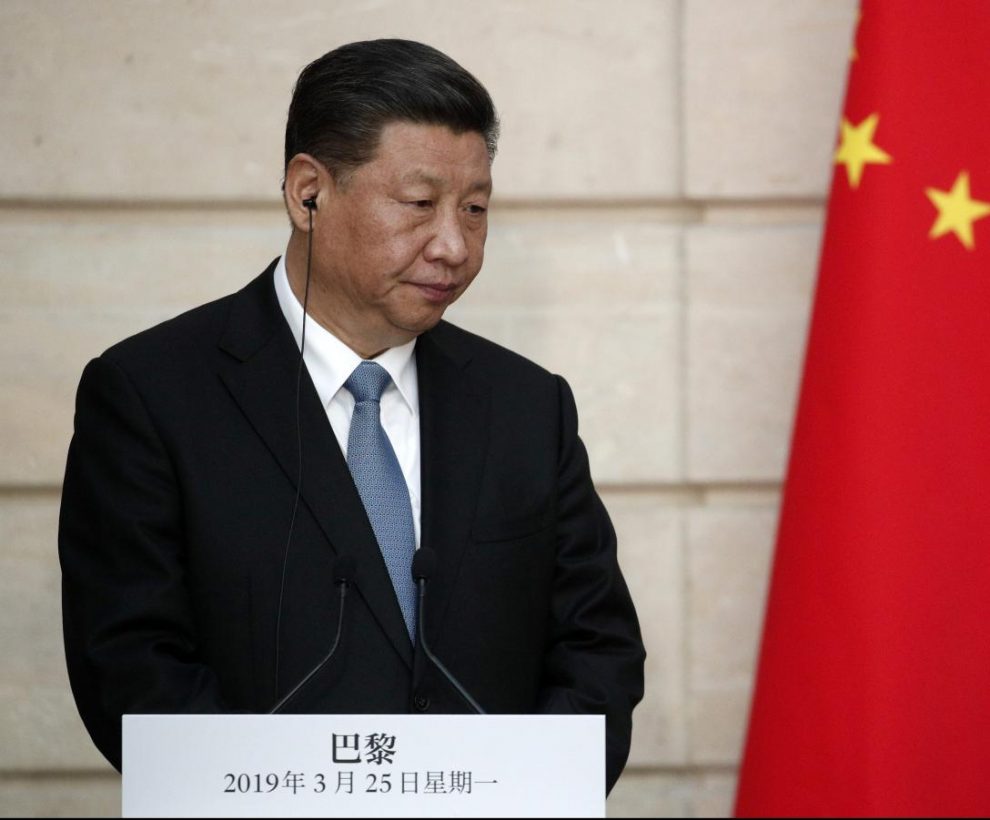
For almost half a century, Chinese officials have overseen one of the greatest economic transformations in human history. The country has gone from collectivized farms and famine to world-leading tech companies and gleaming megacities connected by superfast trains. More than 800 million Chinese have been pulled out of poverty as the Communist Party and its leader Xi Jinping string together (according to the party’s numbers) decades of uninterrupted growth.
But the economy is now at another turning point.
In an effort to control what it sees as the excesses of the market, and to limit companies’ power and influence, the party has deliberately swept the legs out from under giants like e-commerce titan Alibaba and ride-hailing upstart Didi, wiping out billions of dollars of market value from China’s most dynamic enterprises. Evergrande, the massive property developer on the brink of collapse, shows that China’s real-estate boom could be unraveling, with the possibility of sickening the entire economy. (On Oct. 13, after Evegrande missed yet another scheduled coupon payment, borrowing costs for China’s riskier firms soared to record highs.) If that wasn’t enough, president Xi Jinping also has to manage an electricity crunch—triggered partly by his own aims to cut carbon emissions—that could wear down manufacturing and industry.